How Basement Waterproofing NJ Can Increase Your Home Value
A basement can quietly shape the value of an entire property. Buyers may spend most of a showing upstairs, admiring kitchens, flooring, and natural light, but many of their final decisions are made the moment they step below grade. If they smell dampness, see staining along the walls, or notice a dehumidifier working overtime in the corner, they start calculating risk. Not cosmetic risk, structural and financial risk.
That is why basement waterproofing matters so much in New Jersey. Homes across the state deal with a difficult mix of older construction, heavy seasonal rain, coastal moisture in some regions, high water tables in others, and freeze-thaw cycles that put pressure on foundations. A dry basement is not simply a maintenance win. It is a value signal. It tells buyers the home has been protected, monitored, and cared for where it counts.
When homeowners hear the phrase Basement Waterproofing NJ, many think of it as a defensive expense, something you do only after a leak appears. In practice, it often works more like a value-preserving upgrade, and in the right home, a value-increasing one. A basement that stays dry supports appraisals, improves marketability, expands usable square footage, and removes one of the biggest hidden objections buyers have during a sale.
Why buyers pay attention to basements
Most buyers are not foundation experts, but they are excellent at sensing trouble. Water leaves clues that are hard to miss. There may be a musty odor near the stairs, peeling paint on the concrete walls, a chalky white residue called efflorescence, or warped base trim in a finished lower level. Even when the problem looks minor, buyers tend to assume the repair will be major.
That reaction is understandable. Water in a basement can mean far more than a puddle on the floor. It can suggest poor grading outside, hydrostatic pressure against the foundation, clogged or failing perimeter drains, cracks that let water seep in, sump pump issues, mold concerns, damaged insulation, or hidden deterioration behind finished walls. Once buyers start imagining all of that, confidence drops fast.
In New Jersey real estate, confidence affects offers. A house that feels dry, solid, and well maintained often moves with less resistance. A house with visible basement moisture can sit longer, invite lower bids, or trigger aggressive requests during inspection. Even when the rest of the home shows beautifully, a damp basement can drag the whole package down.
Basement moisture does not stay in the basement
One mistake homeowners make is thinking a basement issue is isolated. It rarely is. Moisture rises, odors travel, and air circulates through the house. A chronically damp basement can make the entire home feel less healthy and less comfortable.
I have seen homes where the owners became so used to the smell downstairs that they stopped noticing it. Then a buyer walks in on a humid July afternoon and catches it immediately near the front entry. They may never even identify the source correctly, but the impression sticks. The house feels "off." That kind of reaction can be hard to reverse during a showing.
There is also the practical side. Moisture can damage stored belongings, rust appliances, shorten the life of HVAC components, attract pests, and create conditions where mold can develop. If the basement is finished, the stakes go higher. Flooring, drywall, trim, and furniture are all vulnerable. What begins as a minor seepage issue can become a much more expensive restoration.
When a homeowner invests in proper waterproofing, they are not just protecting concrete walls. They are protecting indoor air quality, the longevity of building materials, and the psychological comfort that makes a home easier to sell.
What waterproofing signals to appraisers and inspectors
Appraisers do not hand out value boosts for every home improvement dollar spent. A finished basement does not always return its full cost, and neither does every repair. Waterproofing works differently because it addresses a condition that can depress value if left unresolved.
A dry, stable basement supports the home's overall condition. It reduces the chance that an appraiser or lender will flag moisture-related concerns. It also gives home inspectors less to worry about. If the basement shows evidence of a professionally addressed water management system, with clean installation and documentation to match, the issue becomes far less threatening than an active leak or obvious damage.
This matters because home sales often slow down at the inspection stage, not the showing stage. Buyers can fall in love with a home, then panic after seeing notes about seepage, mold-like growth, or signs of prior flooding. Sellers who have already handled these issues properly are in a much stronger position. They can show invoices, warranties where applicable, and before-and-after context. That shifts the conversation from "What is wrong here?" To "This was identified and corrected."
In many cases, waterproofing does not create value in the flashy sense. It preserves value by removing a discount. That distinction matters. Preventing a $25,000 negotiation hit can be just as meaningful as adding $25,000 through visible upgrades.
The New Jersey factor
Basement waterproofing is relevant almost everywhere, but New Jersey presents a particularly strong case. The state has a large stock of older homes, many with basements built before modern drainage practices became standard. Add dense development, varying soil conditions, and weather patterns that can swing from heavy rain to snowmelt to summer humidity, and you have a perfect environment for moisture problems.
In parts of North Jersey, sloped lots can channel water aggressively toward foundation walls. In central areas, clay-heavy soils may expand and hold water against the home. South Jersey can bring its own groundwater and drainage issues, depending on the neighborhood. Coastal influence complicates matters in some communities, while inland areas may still deal with saturated ground after storms.
That regional reality makes Basement Waterproofing NJ more than a niche service. It is a familiar concern for buyers, agents, inspectors, and contractors. In many neighborhoods, a dry basement is not a luxury feature. It is the expected baseline for a well-maintained home.
How waterproofing translates into higher home value
The value impact shows up in several ways, some direct and some subtle.
A waterproofed basement can expand functional living space. Even if the area is not marketed as a bedroom or fully finished recreation room, a dry lower level has obvious utility. It can serve as a gym, office, workshop, storage area, laundry space, or future finished square footage. Buyers assign value to flexibility, especially in a market where every usable foot matters.
It can also reduce perceived future costs. Buyers routinely lower their offer when they believe major work is coming. They may not know exactly what basement water mitigation costs, but they know it is rarely cheap. If you remove that uncertainty with a proven system and a clean record, you often protect your asking price.
There is a financing angle too. Some moisture issues can complicate mortgage approval, especially if they suggest deferred maintenance or health concerns. A house that clears appraisal and inspection hurdles more smoothly tends to hold its value better through the transaction.
Then there is simple market competition. If two similar homes are available and one has a dry, odor-free, well-managed basement while the other has signs of seepage, most buyers choose certainty. The better basement does not need to be glamorous. It just needs to feel safe and reliable.
The difference between patchwork and real waterproofing
Not all basement fixes increase value. Some simply hide the problem for a season.
Fresh paint on a basement wall can look clean on listing day and start blistering a few months later. A dehumidifier helps with ambient moisture but does not stop water intrusion. Caulking a visible crack may be appropriate in some situations, but it is not a complete plan if outside drainage is poor or hydrostatic pressure remains unresolved.
Real waterproofing starts with diagnosis. Water may enter through wall cracks, floor joints, porous masonry, window wells, pipe penetrations, or cove joints where the floor meets the wall. In other cases, the water is not coming through a single obvious opening. It is building up around the foundation because gutters discharge too close to the home, grading slopes the wrong way, or footing drains are failing.
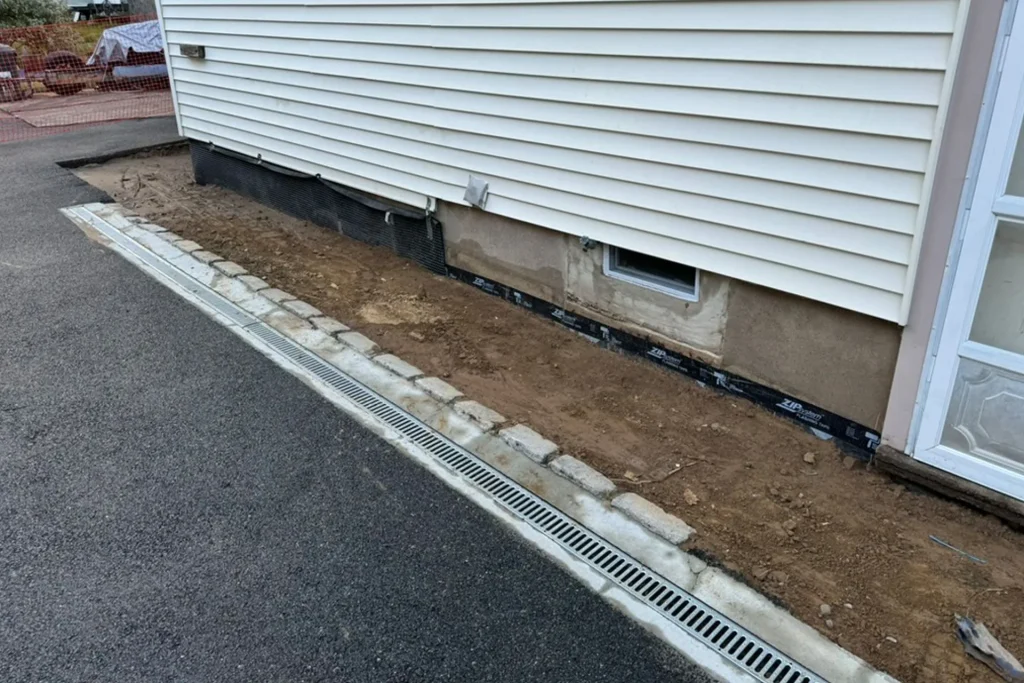
The right solution depends on the source. Exterior waterproofing can involve excavation, membrane application, drainage board, and improved runoff management. Interior systems may include perimeter drainage channels, sump pumps, vapor barriers, crack injection, and moisture control strategies. Many homes need a combination.
This is one area where buyers, inspectors, and experienced agents can tell the difference between cosmetics and substance. A basement that looks neat but still shows warning signs does not inspire trust. A basement with a well-installed, well-explained system usually does.
Finished basements benefit the most from being dry
If you have invested in a finished basement, waterproofing protects one of the most vulnerable value centers in the house. Flooring, framing, drywall, paint, doors, trim, and furnishings all rely on a stable moisture environment. Without that, even a beautiful renovation becomes a liability.
I have walked through lower levels with recessed lighting, custom built-ins, and expensive luxury vinyl flooring, only to find the bottom edge of the drywall soft near one wall. At that point, the finishes no longer add value the way the owner expects. Buyers start wondering what is hidden behind them. In a finished basement, moisture is often more damaging because it stays concealed longer.
A properly waterproofed finished basement gives buyers confidence to count that space mentally as part of daily life. They imagine movie nights, guest space, a home office, or a playroom. Without moisture concerns, the basement becomes an asset instead of a question mark.
Timing matters more than most homeowners think
The best time to waterproof is usually before you need to sell, not weeks before listing. Water issues have a way of becoming visible at the worst possible time, often after a storm, during spring thaw, or in https://knoxxeqj652.halcyonledger.com/posts/how-basement-waterproofing-nj-helps-avoid-expensive-emergency-repairs the middle of attorney review and inspections.
When homeowners address basement problems early, they have time to choose the right contractor, complete repairs properly, monitor the results through changing weather, and gather documentation. That history helps. A basement that has remained dry over time is much more persuasive than one that was repaired in a rush just before photos were taken.
Early action also prevents secondary damage. A small seepage issue caught now may involve drainage correction and targeted repair. The same issue ignored for two more years may lead to mold remediation, replacement of finishes, or more significant structural evaluation. The longer moisture remains, the more expensive and disruptive the project tends to become.
What buyers and agents notice immediately
There are certain basement details that can improve how a property is perceived the minute someone walks downstairs. The biggest one is odor. A neutral-smelling basement communicates dryness better than any sales description.
Clean wall surfaces matter too. So does the absence of rust lines, standing water marks, active dehumidifier overflow, or random buckets placed under suspect areas. Visible organization helps, but only if it does not seem like an effort to hide the perimeter. Buyers are often surprisingly observant around foundation walls and utility corners.
Documentation is another underappreciated value tool. If waterproofing work was performed professionally, having records available during the sale can make a real difference. Helpful materials include:
- Invoices describing the scope of work
- Warranty details, if transferable
- Notes on sump pump installation or backup systems
- Photos taken before walls were closed up after repairs
- Service records for maintenance or annual checks
That kind of paper trail changes the tone of conversations. Instead of vague reassurances, the seller can point to actual work completed.
The return on investment is not only about resale price
Homeowners often ask whether basement waterproofing delivers a measurable return. The honest answer is that it depends on the home's condition, market segment, and the severity of the original issue. But that question is often too narrow.
Some returns show up as price protection. Some show up as faster sale time. Some appear as fewer concessions after inspection. Some come through years of better use before the property ever reaches the market. If waterproofing allows you to use the basement confidently as storage, living area, or workspace, that benefit has real value long before resale.
There is also risk reduction. Avoiding one serious water event can save thousands. Replacing carpet, drywall, furniture, and personal belongings after a basement flood adds up quickly. If mechanical systems are affected, costs climb even faster. Home value is partly about what you gain and partly about what you prevent from losing.
In stronger markets, buyers may overlook a minor issue. In balanced or cautious markets, they become more selective and less forgiving. Waterproofing helps your property perform better under both conditions because it removes a basic source of hesitation.
Common seller mistakes that reduce basement value
Sellers sometimes undermine their own position without realizing it. They postpone repairs because the basement only leaks "once in a while." They rely on paint and scent products before showings. They finish a basement without solving the moisture source first. Or they skip maintenance on a sump pump and assume it will work when needed.
Another common mistake is failing to address exterior water management. Basement protection often starts above grade. Gutters, downspouts, splash blocks, grading, window well drainage, and hardscape slope all influence what happens below. If those elements are neglected, even a decent interior system can be put under unnecessary stress.
The strongest results usually come from treating the house as a whole water management system rather than focusing on one crack or one damp spot in isolation.
Choosing the right scope of work
Homeowners do not always need the most extensive waterproofing package available. The key is matching the remedy to the cause. A house with occasional condensation and no intrusion may need moisture control and ventilation changes. A house with repeated seepage at the cove joint may need an interior drainage system and sump pump. A house with chronic wall penetration and exterior grading issues may justify excavation and outside waterproofing.
This is where professional judgment matters. Good contractors ask when the problem appears, where the water shows up, what the weather was like, whether the home has a sump already, and what changes have been made around the property. They look at downspouts, grading, foundation wall condition, and signs of previous repairs. They do not start with the sales pitch. They start with the pattern.
For resale value, the best investment is usually the one that eliminates the real problem with the least unnecessary disruption. Overbuilding does not always add proportional value. Under-addressing the issue almost never does.
Waterproofing as part of a broader value strategy
If you are preparing a home for sale, basement waterproofing works best alongside a few complementary efforts. Clean drainage outside. Keep the basement bright and uncluttered. Maintain HVAC equipment. If the basement is unfinished, present it as dry, useful, and well kept rather than trying to over-style it. If it is finished, make sure every surface near exterior walls is genuinely sound.
Buyers appreciate homes where the invisible systems have been handled. They may compliment the kitchen, but they often pay a premium for the sense that the house will not surprise them later. A dry basement contributes directly to that feeling.
The homes that command strong prices are not always the fanciest. Often, they are the ones that feel solid from the ground up. In New Jersey, where moisture challenges are common and buyers know enough to be wary, that solidity matters.
A basement does not need to be glamorous to influence value. It needs to be dry, clean, and trustworthy. That is why Basement Waterproofing NJ can be one of the more practical investments a homeowner makes. It protects the structure, strengthens buyer confidence, supports usable space, and helps preserve the price you have worked hard to build into your property. When the lower level feels secure, the whole house stands taller in the market.
ARD Waterproofing
Address: 98 Smull Ave, West Caldwell, NJ 07006
Phone number: +12016465936
FAQ About Basement Waterproofing NJ
What is the best waterproofing method for a basement?
The best overall approach to waterproofing a basement is a combined exterior and interior system that stops water at the foundation wall and safely manages any moisture that gets through.
What is the average cost to waterproof a basement?
The average cost to waterproof a basement ranges from $2,500 to $15,000, with most homeowners paying around $5,200 for a complete project.
Can a basement be waterproofed from the inside?
Yes, a basement can be waterproofed from the inside, and it is often the most affordable and least disruptive method.